About Khan Halal Market

We are a digital magazine and editorial catalog for families who want to shop halal with confidence. Our work sits between the shelf and the kitchen: we read labels, compare what is actually available, and explain certification marks in plain language so a purchase decision does not depend on guesswork. Across Argentina and Latin America, we collaborate with butcher shops, grocery stores, and local brands to orient readers before they buy, clarify labeling questions, and suggest substitutes when a specific item is not on hand. Coverage runs through meat, spices, preserves, bakery, sweets, and cosmetics without questionable ingredients, with a Spanish-language section for readers across Latin America and step-by-step buying guides. The aim is simple: help you build a pantry with judgment, one informed choice at a time.

Why readers keep this guide open while they shop

Most halal advice online stops at a stamp and a promise. We work the other way around: start from the shelf, the label, and the meal you are actually planning, then explain what holds up and what does not. That is why the editorial catalog is built with butcher shops, grocery stores, and local brands rather than around them.

Labeling questions answered plainly

Flavorings, emulsifiers, and processing aids rarely get bold print on a package. We walk through the ingredient list line by line and explain where a certification mark stops covering the product, so you can decide before you reach the register.

Substitutes when something is missing

A specific cut, brand, or jarred good is not always on the shelf. Instead of sending you to another store, we name workable swaps for meat, spices, preserves, and bakery items, and note which substitutions change the dish and which do not.

Built with the people who sell it

Butchers, grocers, and local producers tell us what actually moves through their counters across Argentina and Latin America. That context shapes our product cards, seasonal lists, and the comparisons we publish, including the Spanish-language section for readers across Latin America.

Editorial, not promotional

We do not publish sponsored rankings or claim a product is the best in its category. What we do is describe what a certification mark usually confirms, flag the gaps, and show how a claim lines up with the ingredient list on the back. When a topic needs more depth than a card allows, it becomes a full article.

Coverage that follows the kitchen

Meat, spices, preserves, bakery, sweets, and cosmetics without questionable ingredients all sit in the same catalog, because a family pantry is not organized by aisle. Seasonal shopping lists and everyday recipes tie the sections together, so a note about a spice connects to the dish you are cooking this week.

Curious how a piece moves from a shelf question to a published note? Read the editorial process, or start with reading a halal certification label without guessing.

What the shelves look like when you know what to check

A few visual anchors from the kind of places this guide is written for: butcher counters, spice aisles, pantry shelves, and the packaging that carries the marks we spend so much time explaining. None of these are our own photographs, and none of them show a specific store, brand, or product line. They are here to give the reading some texture, so the notes on labeling, substitutes, and seasonal lists do not float in the abstract.

Khan Halal Market: about
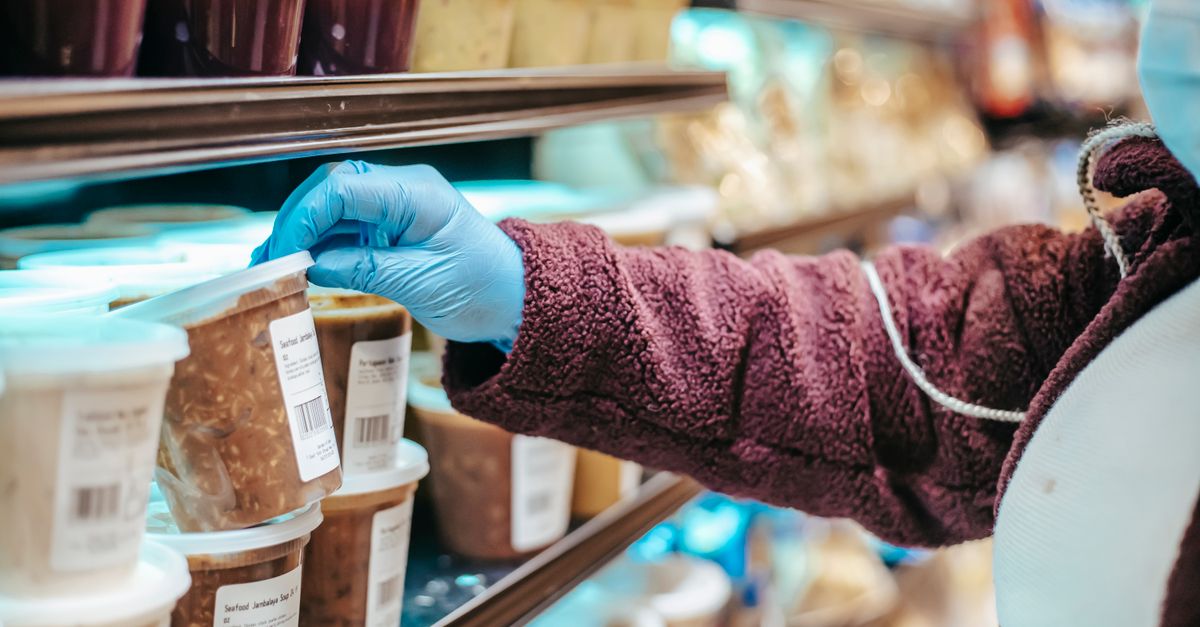
A printed label with certification marks and an ingredient list, the kind of surface readers learn to read line by line.
Khan Halal Market: about
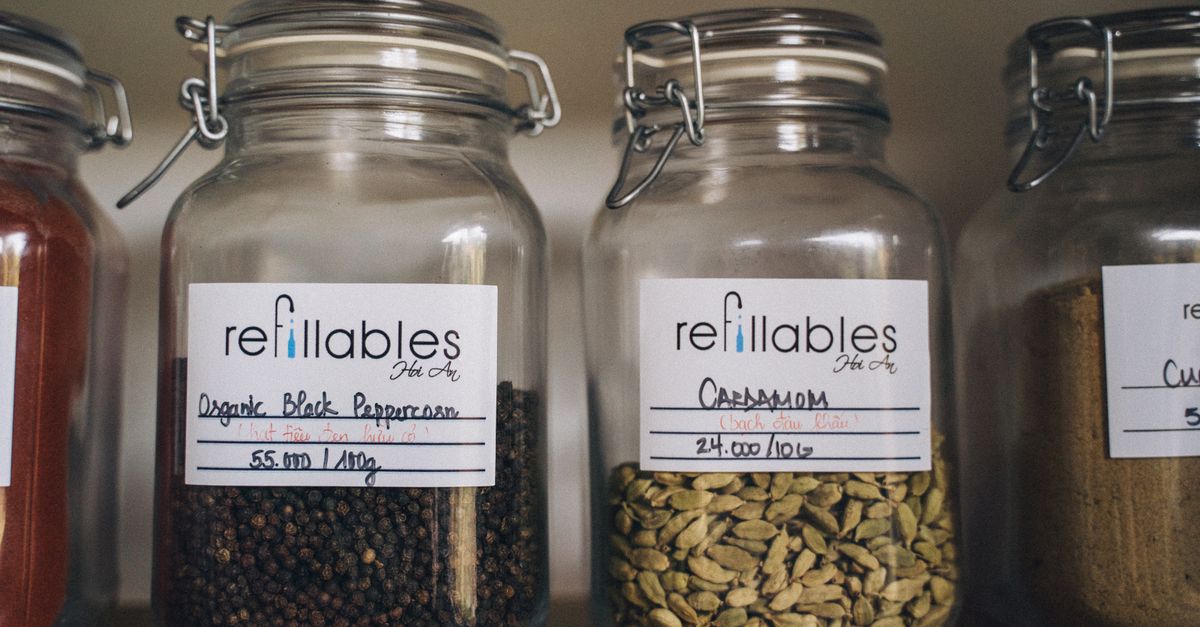
Jars of spices, grains, and preserves on a shelf, roughly the shape of a pantry the seasonal lists are built around.
Khan Halal Market: about
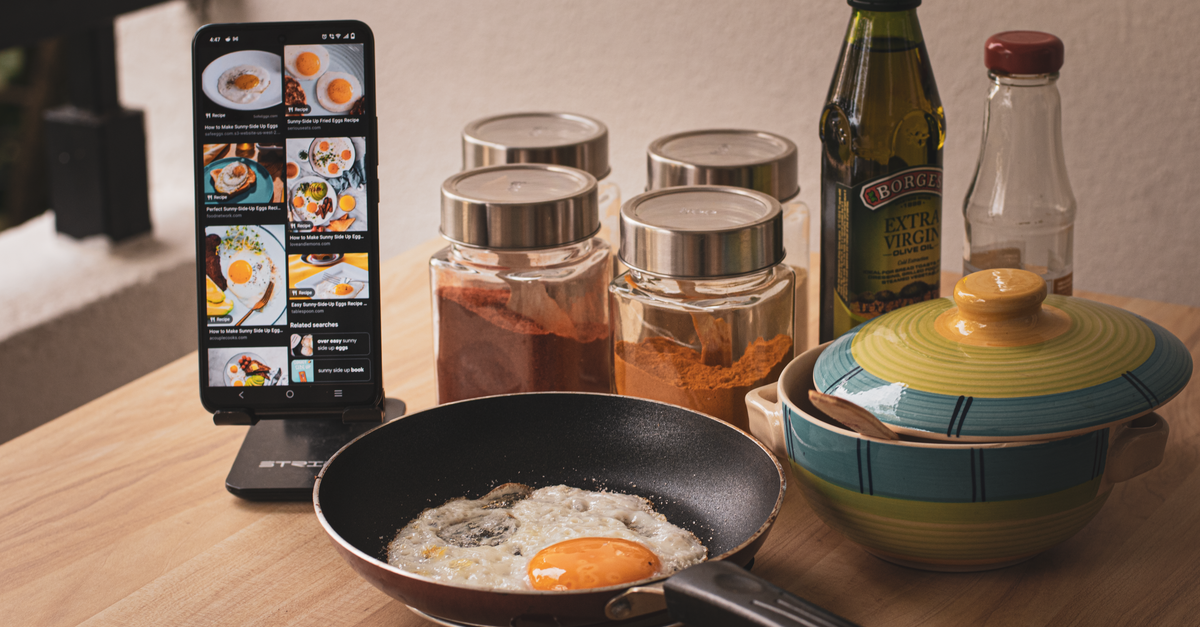
A counter set up for a spiced rice and meat dish, close to how the weeknight recipes are meant to be cooked at home.

The point of showing these scenes together is not decoration. It is the same reason the editorial work leans on butcher shops, grocery stores, and local brands: the questions readers bring to a shelf are practical, and the answers have to survive contact with an actual aisle. When a stamp is unclear or an ingredient is missing, the useful move is usually to look again at the back of the package, then decide whether a substitute fits the dish. That habit is what the guide tries to build.

Why this magazine exists

Khan Halal Market started from a simple gap: families who want to buy halal food often stand in front of a shelf with no clear answer. A stamp looks official, the ingredient list is long, and nobody behind the counter can explain what a flavoring or an emulsifier actually is. So we write the guide we wished existed.

We are a digital magazine and editorial catalog, not a store. Our work is to read labels carefully, compare what is on the market across Argentina and Latin America, and put that knowledge into formats you can use on a Tuesday afternoon: product cards, explained certification marks, seasonal shopping lists, and recipes for daily cooking.

The editorial team talks with butcher shops, grocery stores, and local brands before writing about a product. That conversation is where most of the useful detail comes from. When a specific item is not available, we look for a substitute and say so plainly, instead of leaving the reader to guess. When a certification mark covers only part of the production chain, we explain where its scope ends.

Our coverage runs through meat, spices, preserves, bakery, sweets, and cosmetics made without questionable ingredients. A Spanish-language section serves Spanish-speaking readers across Latin America, and step-by-step buying guides walk through a purchase from the first question to the final choice. The goal is not to tell you what to buy, but to give you enough context to decide with judgment.
Label literacy first

We break down what a stamp confirms, what it leaves out, and how to cross-check it against the ingredient list before you commit.

Local, not abstract

Comparisons reflect what is actually on shelves in the region, written with butcher shops, grocery stores, and brands in the loop.

Substitutes, not dead ends

When something is missing from the store, we suggest a workable alternative rather than leaving the recipe or the pantry plan unfinished.

Cookie settings

We use a small preference cookie and local storage to remember your choice for this notice and keep basic site behavior consistent. You can accept or reject this preference before continuing.