Label terms in plain words
A stamp on the front rarely covers the whole ingredient list. We walk through what each mark usually confirms, which additives fall outside its scope, and how to cross-check a claim against the small print on the back.
Halal buying guide, recipes, and certified products
This is where the magazine's articles live in one place. Notes on halal meat cuts, spice blends, preserved foods, bakery staples, sweets, and cosmetics made without questionable ingredients sit next to recipes and side-by-side product comparisons. Each piece is written to be useful before a shopping trip or a weeknight dinner: a short explanation of a label term, a dish built on what is already in the cupboard, or a look at two similar products on the same shelf. Seasonal shopping lists run alongside the recipes, so you can plan around what is actually available in the market that month. Browse the shelf, then take what fits your list.
The article feed is built for the moment you stand in a store aisle or open the fridge at seven in the evening. Each piece answers one question a household actually asks: which cut to buy, which jar to trust, which spice still tastes like something after six months on the shelf. Nothing here assumes you already know the vocabulary of certification bodies or the difference between two similar-looking cans.
If you want the reasoning behind how these notes get written, the editorial approach lives on the about page, and the working method behind each comparison sits in the process notes.
A stamp on the front rarely covers the whole ingredient list. We walk through what each mark usually confirms, which additives fall outside its scope, and how to cross-check a claim against the small print on the back.
Notes on halal meat cuts, blends that hold their flavor, and the canned and jarred goods worth keeping on hand. Written for households cooking daily, not for a single special dinner.
Weeknight dishes built on ingredients you can find in most Latin American cities, with substitutions noted for when a specific item is missing from the store that week.
Two similar products side by side, with the differences that actually matter at home: texture, shelf life once opened, and how each one behaves in a slow-cooked dish.
Three pieces currently on the reading shelf. One unpacks the certification stamps you meet on packaged goods, one maps a pantry that survives a busy month, and one collects weeknight dishes that hold up with whatever the store has that week. Browse before you write the shopping list.
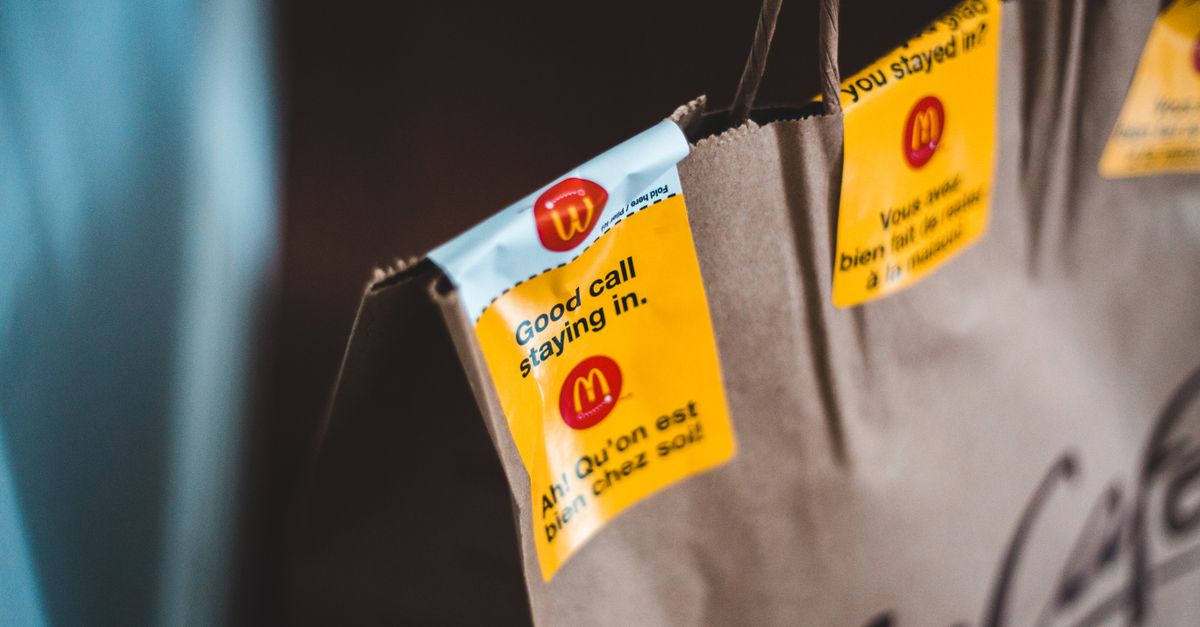
Certification stamps vary widely between issuing bodies, and two labels that look similar can cover very different parts of the production chain. This guide breaks down what each stamp usually confirms, which ingredients fall outside its scope, and how to cross-check a claim against the ingredient list on the back. It also covers common gaps, such as flavorings, emulsifiers, and processing aids that rarely appear in bold print. Readers finish with a short checklist they can keep on their phone during a shopping trip.
Read the article
A well-planned pantry is less about volume and more about knowing which staples carry the most meals. This piece looks at spices that lose potency quickly, which canned and jarred goods are worth keeping on hand, and how to rotate items so nothing sits forgotten at the back of the shelf. It also touches on freezer organization for meat bought in larger cuts. The suggestions are written for households cooking daily, not for special occasions.
Read the article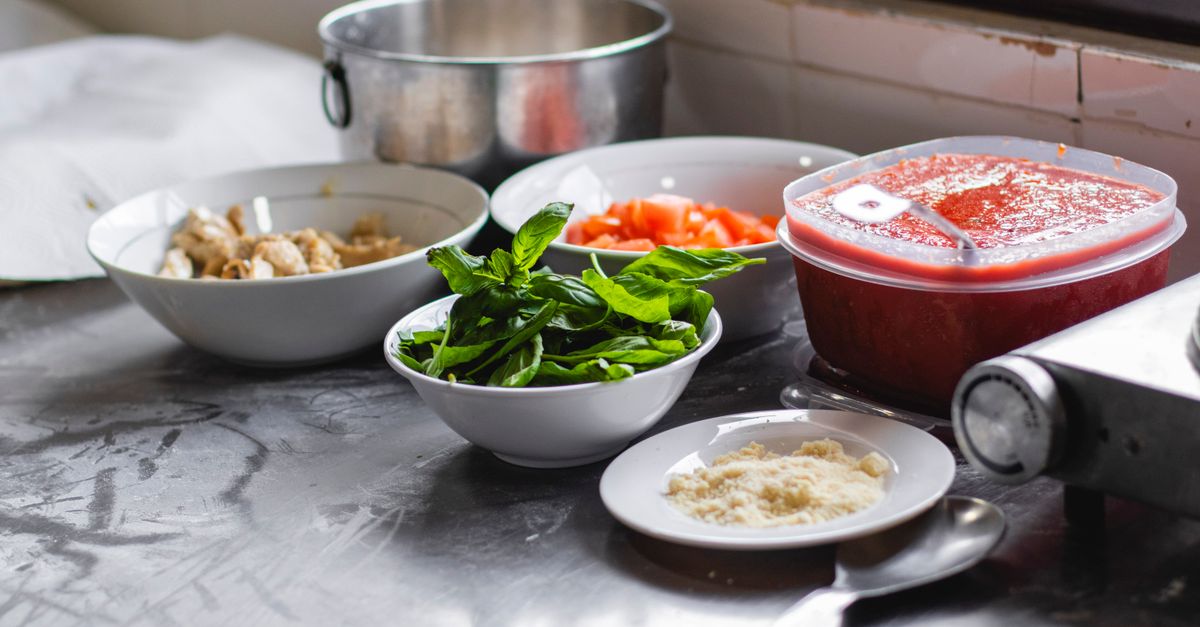
These recipes were chosen because their core ingredients are widely available and their substitutions are forgiving. One is a slow-braised meat dish that improves the next day, one is a spiced rice with pantry vegetables, and one is a light dessert using dates and nuts. Each entry notes which components can be prepared ahead and which substitutions work when a specific item is missing from the store. The tone stays practical, with no assumption of specialty equipment.
Read the articleMost of what lands in our inbox is not about rules or paperwork. It is about a specific shelf, a specific label, or a dish someone wants to cook on a Tuesday night. Below are the ones that come up again and again across our articles on meat, spices, preserves, bakery, sweets, and cosmetics.
If your question is about a product you already have at home, the ingredient list is usually the fastest place to start. Our label-reading notes walk through that process step by step.
Not always. A stamp usually confirms a defined part of the production chain, often the slaughter of the meat or the absence of certain additives. Flavorings, emulsifiers, and processing aids can sit outside that scope, and they rarely appear in bold on the front. Cross-check the stamp against the full ingredient list on the back before you decide.
Look at the issuing body, not the design. Different organizations certify different things, and similar-looking marks can come from groups with very different standards. The name printed under the stamp is the detail that matters most.
Start with the role the item plays in the dish, not the item itself. A cut of meat, a spice blend, or a jarred preserve can often be swapped for something with a similar texture and fat content. Our recipe notes list substitutions for the ingredients that disappear from shelves most often.
No. They are a starting point for households cooking daily, built around what tends to be available in a given stretch of the year. Use them to check what you already have, then adjust for the size of your family and how often you cook at home.
Yes, with the same approach: read the ingredient list, note what the certification actually covers, and flag anything that stays unclear. The questions are different from food, but the method of checking a claim is not.
You can. Write to us with the brand, the ingredient list, and where you found it, and we will look at what the label actually says. Reach the team through our contact page, or check the terms for how we handle reader messages.
Questions about a certification stamp, a product card, or a recipe substitution usually arrive after a reader has already stood in an aisle with a package in hand. If something in an article is unclear, or a term on a label does not match what the piece describes, write to the team and describe the item, the brand, and the wording you saw. That kind of detail is what makes a correction or a follow-up note possible.
The magazine also welcomes tips about butcher shops, grocery stores, and local brands that carry certified products, especially outside the larger cities. Readers who cook with the recipes can point out where an ingredient was hard to find or which substitute worked better in their kitchen. These notes shape upcoming comparisons and seasonal shopping lists.
Before writing, it often helps to check the label-reading notes in the article feed, since many questions about stamps, flavorings, and emulsifiers are already covered there. If your question is about how the magazine handles reader data or the rules for using its content, the privacy policy and terms of use explain both.