Pantry planning

Building a Family Pantry Around Halal Staples

A seasonal approach to stocking spices, grains, preserves, and freezer basics.
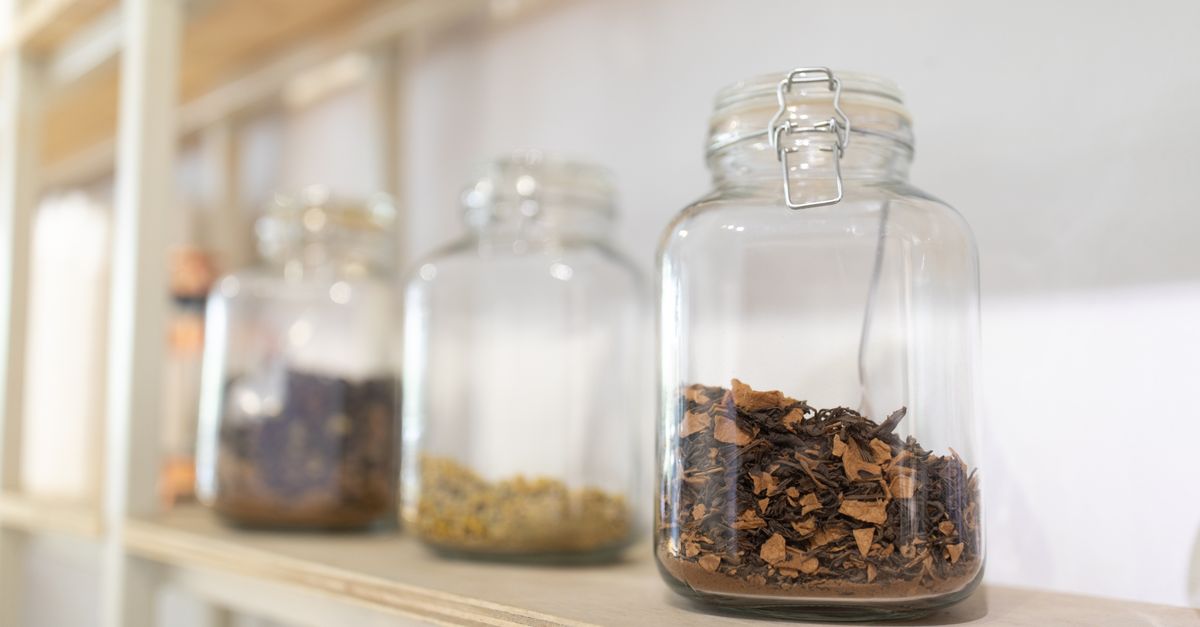
Wooden shelf with glass jars of spices, grains, and preserved foods

A pantry that actually gets used is not the one with the most jars. It is the one where you can open a cupboard on a Tuesday night and put together a meal without a second trip to the store. That usually comes down to a short list of staples you restock on purpose, plus a rotation habit that keeps older items moving forward instead of sinking to the back of the shelf.

Spices are where most pantries quietly fail. Ground cumin, coriander, paprika, and cinnamon lose their punch within a few months once opened, especially near a stove or a sunny window. Buy smaller quantities more often rather than a large bag that sits half-used. If a prepared blend is not available, single-ground spices do the same job and let you adjust salt and heat yourself. Keep a marker on the lid with the month you opened it, and you will stop guessing whether that jar is still worth using.

Canned and jarred goods earn their shelf space when the ingredient list stays short. Tomato paste, chickpeas, olives, and fruit preserves in glass are the reliable ones. Read the label for generic flavorings, unspecified emulsifiers, or extracts with an unspecified carrier, since these are the terms that most often hide something you would rather avoid. Two jars of the same product can differ a lot in how much detail the producer prints, so comparing the back panels side by side before buying is worth the extra minute.

Freezer organization matters just as much when meat is bought in larger cuts. Portion it before freezing, label the date, and keep a running note of what is inside so nothing gets buried under a bag of frozen vegetables. Rotate the older packages to the front and plan the week around them. Seasonal shopping lists help here: they turn a vague idea of "we should stock up" into a specific, short list you can act on between market trips.

Building a Family Pantry Around Halal Staples

Some of what you read here depends on what is actually printed on the jar in front of you. If a spice blend lists a generic flavoring, if a preserve's ingredient order looks off, or if a local store carries a version of a product that does not match what the article describes, that is worth a direct message rather than a guess. The editorial team reads these notes and uses them to decide which labels and categories to look at next.

Email the editorial desk

Best for label questions, unclear ingredient terms, or a swap you want checked against the article. Send the product name, the brand, and the wording you are unsure about.

info@khanhalalmarket.com

Call during the week

Useful when you are standing in an aisle and need a quick answer about a spice mix or a jarred preserve before you put it in the basket.

+54 9 11 2258 3406

Write to the postal address

For longer notes, printed material, or anything that does not fit into a message. This is a mailing address, not a place to visit.

Avenida Figueroa Alcorta, Ingeniero White, Buenos Aires, B8103, Argentina

Before you write, a few things that help

  • The exact wording from the ingredient list, including the order it appears in.
  • Whether the item is a prepared blend, a single-ground spice, or a preserve with added liquid.
  • Which article or section you were reading, so the reply stays tied to the same context.

Questions about how we handle reader messages and personal details are covered on the privacy page, and the terms page explains how the editorial material on this site may be used.

Building a Family Pantry Around Halal Staples

Khan Halal Market is a digital magazine and editorial catalog, not a shop counter. The work behind this piece on pantry staples comes from an editorial team that spends its weeks in the spice, preserve, and sweets aisles of Argentina and Latin America, comparing jars, reading ingredient lists, and asking grocery stores and local brands how much detail they are willing to print.

That is why the advice here stays close to what a label actually says. When a prepared spice blend lists a generic flavoring, or a fruit preserve hides an extract with an unspecified carrier behind a short ingredient list, we note it and suggest the single-ground alternative. When a brand changes its packaging, we say so rather than pretend the shelf stays still.

Shelf-level testing

Two jars of the same preserve rarely match. We compare ingredient order, added sugars, and whether the fruit is named or left as a category, then flag which version holds up better in a daily kitchen.

Working with local sellers

Butcher shops, grocery stores, and regional brands are part of the process. We ask them which staples they restock seasonally and which substitutions they see families make when a specific item runs out.

Written for daily cooking

The pantry suggestions assume a household cooking most nights, not a special occasion. Rotation, freezer organization for larger meat cuts, and short seasonal lists matter more here than volume.

If a spice blend or preserve you rely on disappears from your usual store, the guide is meant to give you a workable swap instead of a dead end. That is the whole editorial standard: name what is on the label, explain what it means for a halal pantry, and leave the reader with a decision they can act on before the next market trip.

Building a Family Pantry Around Halal Staples

A shelf that earns its keep is not the fullest one. It is the one where you can name every jar and reach for it without moving three others aside. These are the kinds of staples that carry a household through a normal week: ground spices you actually finish, grains that store well, a couple of preserves for quick meals, and a freezer that stays organized when meat comes home in larger cuts.

Wooden shelf with glass jars of spices, grains, and preserved foods
Glass jars keep ground spices visible, so you notice when a batch is running low or has gone dull.
Wooden shelf with glass jars of spices, grains, and preserved foods
Reading the ingredient list on a jar of preserves takes a minute and often settles the choice between two similar products.
Wooden shelf with glass jars of spices, grains, and preserved foods
A counter set up before cooking makes it easier to see which staples you reach for weekly and which sit untouched.

Rotation matters more than quantity. Move older jars to the front, keep a short list of what you actually use, and let seasonal shopping trips fill the gaps rather than the shelves. When a specific blend or preserve is not on hand, single-ground spices and a fruit preserve with a shorter ingredient list usually do the same job in a weeknight meal.

Cookie settings

We use a small preference cookie and local storage to remember your choice for this notice and keep basic site behavior consistent. You can accept or reject this preference before continuing.