Everyday Halal Cooking: Weeknight Recipes That Travel Well

Three adaptable dishes built on ingredients you can find in most Latin American cities.
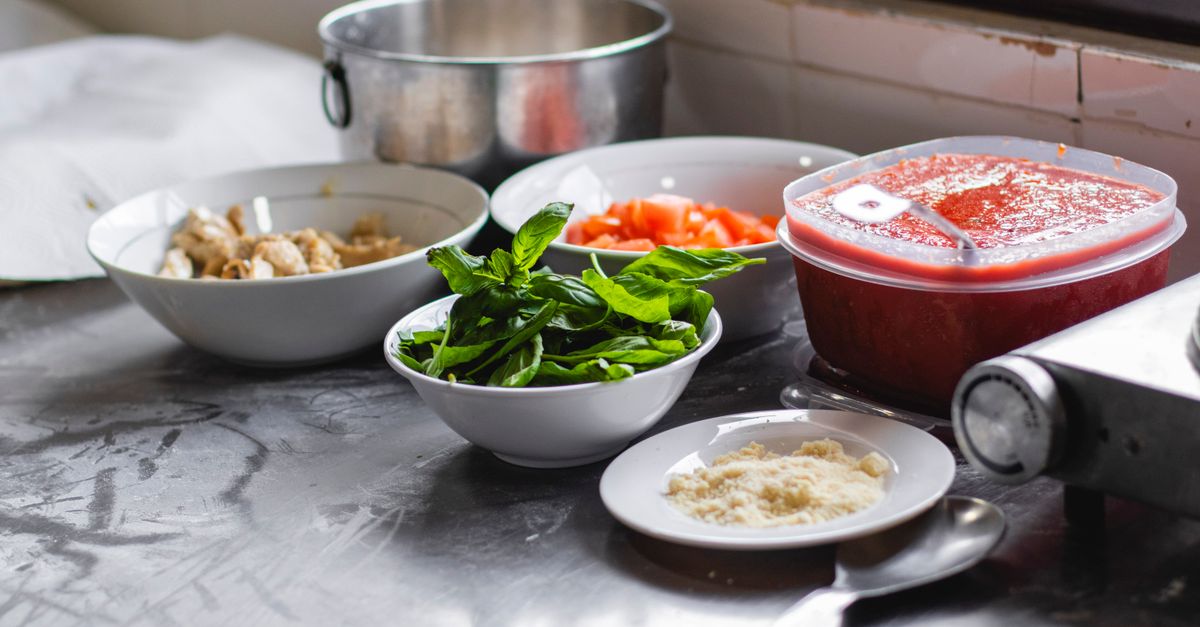
Home kitchen counter with prepared ingredients for a spiced rice and meat dish

Weeknight cooking in a halal household rarely follows a strict recipe. What matters is that the meat is certified, the pantry items are checked, and the dish still lands on the table before everyone is too hungry to care. The three recipes below were picked for that reality: their core ingredients show up in most neighborhood stores across Argentina and Latin America, and when something is missing, the swap is usually obvious.

The first is a slow-braised meat dish. It uses a tougher cut, cooks low for a couple of hours, and tastes better the next day, which makes it useful for a Monday that has to cover Tuesday too. The second is a spiced rice with whatever vegetables are already in the fridge: onion, carrot, a bit of pepper, frozen peas if that is what you have. The third is a light dessert built on dates and nuts, no oven required, and it holds up in the fridge for a few days.

Each entry notes what can be prepped ahead. The braise can be started the night before and reheated. The rice base can be measured and set aside. The date mixture can be shaped in advance and chilled. None of the three assumes specialty equipment, a pressure cooker, or an ingredient you would have to order online.

Substitutions are where these recipes earn their keep. If a specific spice is out of stock, a close relative usually works. If the cut of meat you planned on is not available at the butcher, ask what else is certified and adjust the cooking time rather than the method. The point is not to follow the page exactly, but to keep the meal halal, affordable, and doable on a Tuesday.

Everyday Halal Cooking: Weeknight Recipes That Travel Well

If a substitution in one of the three dishes does not behave the way the notes suggest, or a store near you carries a cut or a pantry vegetable that needs a different treatment, write to the editorial desk. We read messages about recipe adjustments, ingredient swaps, and the halal-certified products you actually find on shelves in your city. That feedback is what keeps the cooking notes honest for readers in other parts of Argentina and Latin America.

Email the editorial desk

Best for detailed questions: a substitution that failed, a certification mark you want explained, or a recipe note that needs correcting.

info@khanhalalmarket.com

Call the office line

For short questions about a recipe step or a product card. If no one picks up, leave the dish name and the ingredient you are unsure about.

+54 9 11 2258 3406

Send a letter

For printed material, corrections, or anything that needs a written record. This is a mailing address, not a shop or pickup point.

Avenida Figueroa Alcorta, Ingeniero White, Buenos Aires, B8103, Argentina

Before you write, check the FAQ

Many questions about the three dishes in this guide are already answered there: which components can be cooked a day ahead, how the braise behaves on the second day, and what to do when a specific item is missing from the store. The FAQ also covers how we handle certification marks and why some substitutions change the texture rather than the flavor.

If your question is not covered, the email above is the fastest route. We do not run a chat, a ticket system, or a booking tool, so there is no queue to join and no account to create.

Everyday Halal Cooking: Weeknight Recipes That Travel Well

Khan Halal Market is a digital magazine and editorial catalog, not a single bylined author. The recipes collected here come out of the same working method the publication applies to its buying guides: test a dish with ingredients that are actually on shelves in Argentina and across Latin America, then write down what happens when one of them is missing. For this piece on slow-braised meat, spiced rice, and a date-and-nut dessert, that meant checking how each dish holds up when a cut of halal-certified meat is swapped, when a spice is out of stock, or when a cook has no specialty equipment at home.

Editorial desk

Writes and edits the recipe notes, keeps the substitution guidance honest, and flags when a step depends on a tool most home cooks do not own.

Buying and sourcing

Talks with butcher shops, grocery stores, and local brands so the ingredient lists in these recipes reflect what readers can realistically find.

Certification review

Checks that any meat or packaged component named in a recipe is described in line with the certification marks explained elsewhere in the catalog.

Because the publication works across several countries, the team does not assume one standard pantry. A slow-braised dish that works with a common cut in one city may need a different one elsewhere, and the spiced rice is written so that pantry vegetables can rotate with the season. Where a recipe depends on a specific item, the note says so plainly and offers a substitute rather than leaving the cook to guess. That is the same approach used in the seasonal shopping lists and the label-reading articles: describe what is on the shelf, explain what the label means, and let the reader decide before the next purchase.

Everyday Halal Cooking: Weeknight Recipes That Travel Well

A slow-braised meat, a spiced rice with whatever vegetables are in the drawer, and a date-and-nut dessert. The photos below show the kind of counter you end up with before cooking starts: chopped onion, measured rice, a bowl of dates, a pan waiting.

Home kitchen counter with prepared ingredients for a spiced rice and meat dish

Counter set up before cooking: onion, rice, spices, and meat ready to go into the pan.

Home kitchen counter with prepared ingredients for a spiced rice and meat dish

Pantry shelf holding the spices and grains the rice dish leans on when the store runs short.

Home kitchen counter with prepared ingredients for a spiced rice and meat dish

Label check before the meat goes in the basket, so the braise starts from a certified cut.

Slow-braised meat

Better on the second day. Brown the cut, add onion and tomato, then let it sit low and covered while you do something else. Reheats without losing texture.

Spiced rice

Built on pantry vegetables and a short spice list. If a specific item is missing, carrot, peas, or leftover squash all work without changing the method.

Dates and nuts

A light finish that needs no oven. Chop dates, toast whatever nuts you have, and assemble in minutes. Holds in the fridge for a day or two.

Cookie settings

We use a small preference cookie and local storage to remember your choice for this notice and keep basic site behavior consistent. You can accept or reject this preference before continuing.